Winter driving isn’t always easy—once snow and ice cover the road, things can get slippery fast. A lot of drivers turn to snow chains for extra grip, but there’s also a newer option on the scene: snow socks. So, do snow socks actually work? Can they take the place of traditional chains? And how do you know which one is right for your car? This guide walks you through everything you need to know about snow socks, and lays out a clear comparison with snow chains.
What Are Snow Socks?
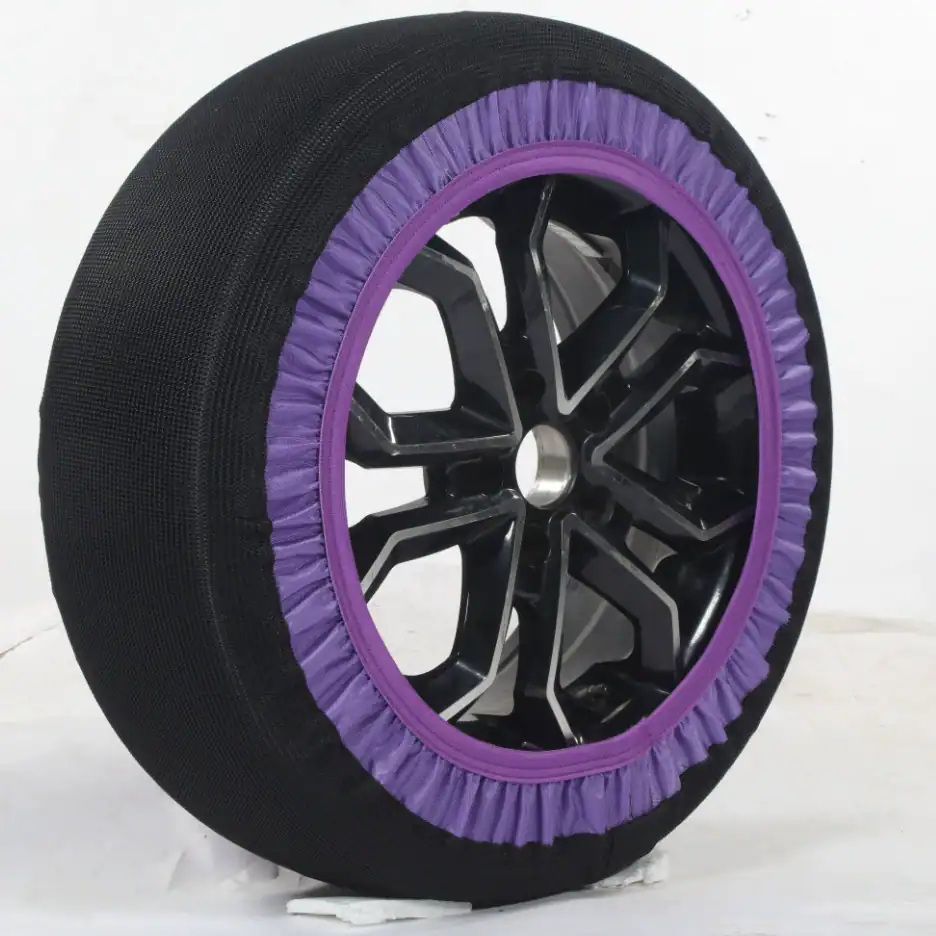
Snow socks, also known as textile snow chains or tire socks, are specially engineered fabric covers that fit over a vehicle’s drive wheels.
Unlike metal snow chains that physically bite into snow and ice, snow socks use high-friction textile fibers to increase grip between the tire and the road surface.
How Do Snow Socks Work?
The idea behind snow socks is actually pretty straightforward.
Here’s what happens when you drive on snow-packed roads:
- The fabric soaks up the thin layer of water that naturally forms on top of ice.
- That same material then creates friction as it presses into the snow and compacted ice.
- As a result, you get a better grip when you hit the gas, hit the brakes, or turn a corner.
Chains dig into the snow to get traction, but snow socks work differently—they rely on friction and absorbing that bit of moisture to help your tires hold the road.
Pros and Cons of Snow Socks
Snow socks have become a popular alternative to traditional snow chains, especially for passenger cars and occasional winter drivers. However, like any traction device, they have both strengths and limitations.
| Advantages | Limitations |
|---|---|
| Easy and quick installation without tools | Less effective on solid ice than metal chains |
| Lightweight and compact for easy storage | Wear faster when used on dry pavement |
| Suitable for vehicles with limited wheel clearance | Not ideal for deep snow or extreme winter conditions |
| Compatible with ABS, ESP, and traction control systems | Shorter service life compared with steel chains |
| Quiet operation with minimal vibration | May not satisfy chain-control regulations in some regions |
| No risk of scratching alloy wheels | Requires removal once roads become clear |
| Comfortable driving experience | Not recommended for heavy-duty commercial applications |
| Good traction on packed snow and slush | Frequent use may require replacement sooner |
How to Install Snow Socks?
1. First, park your car on a safe, flat surface.
2. Figure out which wheels are the drive wheels:
- Front-wheel drive: put them on the front wheels
- Rear-wheel drive: put them on the rear wheels
- All-wheel drive or 4WD: check your owner’s manual and follow the manufacturer’s advice
3. Stretch the snow sock over the top half of the tire.
4. Move the vehicle forward just a little bit.
5. Now the exposed part of the tire is easy to reach—just pull the sock over the rest of it.
6. Once it’s on, drive a short distance, then stop and check if everything is still in place and lined up correctly.
Snow Socks Maintenance Tips
To help them last longer, follow these tips:
After use:
- As soon as the roads are clear, take them off. Don’t keep driving with them on.
- Rinse them with clean water.
- Wash off any salt and mud.
- Let them air dry completely somewhere with good airflow before putting them away.
Storage:
- Store them in a dry bag.
- Don’t leave them in direct sunlight.
- Keep them away from chemicals and oil—those can damage the material.
A little bit of regular care can go a long way in extending the life of your snow socks.
Snow Socks vs Snow Chains
Should you go with snow socks or snow chains?
Go with snow socks if:
- You only drive in snow once in a while
- You just want something for emergencies
- Your wheel gaps are too tight for chains
- You care more about easy installation
- You mostly see packed snow, not thick ice
Go with chains if:
- You drive in the mountains a lot
- Roads are often icy
- You have an SUV, truck, or RV
- You need the best grip possible
- You take long winter trips
Conclusion
Snow socks are light, easy to put on, and a solid choice if you only drive in snow every now and then. They give you better grip, ride more smoothly, and fit most newer cars just fine.
But if you’re dealing with harsh winter conditions—think steep mountain roads, deep snow, or heavy driving—chains still win when it comes to raw traction and durability.
For most people, it really comes down to how often and where you drive in winter. Want something quick and convenient? Go with snow socks. Need the best possible grip? Stick with chains.
www.chinatoplifting.com
tracy@chinatoplifting.com
评论
发表评论